
Chapter 7: The Role of Emerging Markets in Global Business Growth
“Emerging markets are the future of global business.”
– Jim O’Neill, Economist
Emerging markets represent a significant portion of the global economy today, with vast potential for growth and innovation. These markets, which include regions like Asia, Africa, Latin America, and parts of Eastern Europe, have become critical drivers of global consumption, production, and technological development. The rapid rise of middle-class populations, expanding consumer bases, and improving infrastructure make emerging markets a vital focus for multinational companies looking to expand their footprint. However, with these opportunities come challenges, such as political instability, regulatory complexity, and infrastructure gaps. This chapter explores the role of emerging markets in global business growth, examines the key challenges businesses face when entering these markets, and discusses strategies that companies can employ to succeed in these dynamic and fast-evolving regions.
The Rise of Emerging Markets: Economic Powerhouses in the Making
Emerging markets are often defined as nations with rapidly developing economies that are becoming increasingly integrated into the global market. According to the International Monetary Fund (IMF), emerging markets and developing economies contributed to more than 70% of global economic growth between 2010 and 2020. These markets represent a diverse range of countries that have experienced rapid urbanisation, technological innovation, and significant improvement in living standards.
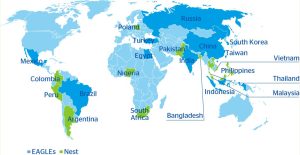
“Map of emerging markets” by Pawel is licensed under CC BY-SA 3.0.
Key emerging markets, such as China, India, Brazil, and South Africa, have become economic powerhouses due to their expanding populations, increasing purchasing power, and greater participation in global trade. China, for example, has transformed from a primarily agrarian economy into the world’s second-largest economy, driven by its manufacturing and export-oriented model. In recent years, China has also moved towards greater consumer-driven growth, leading to higher domestic consumption, especially in sectors like e-commerce, technology, and luxury goods. Similarly, India’s growing middle class and young population have positioned it as one of the world’s fastest-growing markets for a variety of industries, including technology, consumer goods, and automobiles.
The increasing digitalization of emerging markets has also accelerated their economic development. In countries such as Kenya and Brazil, mobile phones and the internet have provided unprecedented access to information, commerce, and finance, contributing to the growth of mobile banking and e-commerce. The rapid growth of mobile technology in these markets has provided businesses with new ways to reach underserved populations and has created opportunities for innovation that were once unavailable in traditional brick-and-mortar business models.
The Emerging Middle Class and Consumption Patterns
One of the most significant trends in emerging markets is the rise of the middle class. As income levels increase and economic opportunities expand, millions of people in emerging markets are joining the middle class, creating a new wave of consumer demand. According to the Brookings Institution, the global middle class is projected to increase by 1.8 billion people by 2030, with the majority of this growth occurring in emerging markets, especially in Asia and Africa.
This burgeoning middle class is driving demand across multiple sectors, from consumer goods to technology and financial services. In China, for example, the rising number of affluent consumers has led to a boom in e-commerce and the luxury goods market, with companies like Alibaba and JD.com capitalizing on this trend. Similarly, India’s growing middle class is propelling demand for automobiles, smartphones, and household goods, as companies like Tata Motors and Samsung adapt their offerings to cater to local tastes and preferences.
In addition to the traditional consumer goods market, there is also a growing demand for services in emerging markets. For instance, financial services such as mobile payments, micro-financing, and digital banking have become increasingly important as populations in emerging markets gain access to banking for the first time. Fintech companies like Paytm in India and M-Pesa in Kenya have tapped into the unbanked populations, providing financial services through mobile phones and further integrating these markets into the global economy.
Challenges in Emerging Markets: Political, Economic, and Regulatory Risks
While emerging markets offer vast opportunities, they also present numerous challenges that businesses must navigate. One of the most significant challenges is political instability. Many emerging markets, especially in Africa and parts of Latin America, face volatile political environments, which can disrupt business operations. For instance, Venezuela has experienced hyperinflation and a collapse of its political system, creating immense challenges for businesses operating there. Similarly, Brazil has faced political uncertainty, with frequent changes in government and corruption scandals affecting investor confidence.
In addition to political instability, businesses in emerging markets must contend with regulatory uncertainty. Many emerging economies have rapidly changing regulations, especially in sectors such as finance, healthcare, and telecommunications. In India, for example, changes in taxation policies such as the introduction of the Goods and Services Tax (GST) in 2017 caused significant disruptions to businesses that had to quickly adjust their operations. Similarly, China’s evolving regulatory environment, particularly in the technology and e-commerce sectors, has forced companies like Facebook and Google to reconsider their strategies in the country.
Infrastructure is another challenge in many emerging markets. While some regions have made tremendous progress, others still lack the basic infrastructure necessary for businesses to thrive. In countries like Nigeria and India, companies often face challenges related to unreliable electricity, poor transportation networks, and insufficient healthcare infrastructure, which can lead to increased operational costs and delays. These limitations necessitate that businesses either invest in infrastructure directly or form partnerships with local companies to improve access to essential services.
Strategies for Success in Emerging Markets
Despite these challenges, businesses can develop strategies to succeed in emerging markets by focusing on local adaptation, innovation, and partnerships.
- Local Adaptation: One of the most important strategies for businesses entering emerging markets is local adaptation. Companies must tailor their products, services, and marketing strategies to the unique needs and preferences of local consumers. For example, McDonald’s modified its menu in India to exclude beef and pork products, offering vegetarian options that resonate with local tastes. Similarly, Coca-Cola adapted its marketing strategy in China to reflect local culture, celebrating Chinese holidays and traditions in its advertising campaigns. By localising products and services, companies can build stronger relationships with consumers and gain a competitive advantage in these markets.
- Innovation and Technology: Innovation plays a central role in capturing the growing opportunities in emerging markets. Many emerging markets are leapfrogging traditional technologies, with mobile phones and the internet providing access to previously unavailable services. Businesses should focus on disruptive innovations that can address local needs while leveraging new technologies. For instance, Amazon has been expanding its presence in India by offering low-cost delivery services and localized e-commerce platforms that cater to the country’s unique market dynamics. Similarly, Huawei, despite facing regulatory challenges in some regions, has capitalized on the demand for affordable mobile technology in emerging markets by providing high-quality, cost-effective smartphones.
- Strategic Partnerships: Building local partnerships is crucial for businesses seeking success in emerging markets. Local partners can provide valuable insights into regulatory requirements, consumer behaviour, and operational challenges. For example, Ford entered the Chinese market through a joint venture with a local company, Changan Automobile, to navigate the complex regulatory environment and cater to the growing demand for automobiles. Similarly, Unilever has partnered with local suppliers in emerging markets to ensure that its products are tailored to the specific needs of local consumers while maintaining sustainable sourcing practices.
- Sustainability and CSR: As emerging markets continue to grow, there is increasing demand for businesses to prioritize sustainability and social responsibility. Consumers in emerging markets are becoming more aware of environmental and social issues, and businesses that demonstrate a commitment to these issues can differentiate themselves in the marketplace. Companies like Nestlé and Procter & Gamble have focused on sustainable sourcing, reducing carbon emissions, and supporting local communities in emerging markets. By aligning business goals with the interests of local communities, companies can create lasting goodwill and build a loyal customer base.
Emerging markets represent an enormous opportunity for global businesses, driven by their rapid economic growth, expanding consumer base, and increasing demand for innovation. However, the challenges – political instability, regulatory complexity, and infrastructure limitations – are significant and require careful planning and local adaptation. By focusing on localisation, innovation, strategic partnerships, and sustainability, businesses can successfully navigate these challenges and capitalize on the vast growth potential offered by emerging markets. The future of global business will be shaped by how companies adapt to and thrive in these dynamic regions.
The following video discusses on how can governments and industries work together to more effectively mobilise capital for resilience-building investments for emerging economies.
“Emerging Economies amid Shocks” by World Economic Forum in YouTube is licensed under CC.
References:
- IMF. (2020). “Emerging Markets and the Global Economy.” International Monetary Fund.
- O’Neill, J. (2011). The Growth Map: Economic Opportunity in the BRICs and Beyond. Penguin Books.
- Prahalad, C. K. (2014). The Fortune at the Bottom of the Pyramid: Eradicating Poverty Through Profits. Wharton School Publishing.
- Hoskisson, R. E., & Johnson, R. A. (2018). Global Business and Emerging Markets. South-Western College Publishing.