<?xml version="1.0" encoding="UTF-8"?>
<!DOCTYPE html PUBLIC "-//W3C//DTD XHTML 1.1//EN" "http://www.w3.org/TR/xhtml11/DTD/xhtml11.dtd">
<html xmlns="http://www.w3.org/1999/xhtml" xml:lang="en">
<head>
<meta content="text/html; charset=UTF-8" http-equiv="content-type" />
<meta http-equiv="Content-Language" content="en" />
<meta name="generator" content="Pressbooks 6.19.2" />
<meta name="pb-authors" content="SITI FATIMAH MD. ISA" />
<meta name="pb-reviewers" content="MUHAMMAD FADZIL AMRAM" />
<meta name="pb-reviewers" content="NOR AIFAT A.RAHMAN" />
<meta name="pb-title" content="An Interactive Introduction To Conservation Biology" />
<meta name="pb-language" content="en" />
<meta name="pb-cover-image" content="https://openbook.ums.edu.my/aninteractiveintroductiontoconservationbiology/wp-content/uploads/sites/119/2024/09/1.-coverpage_Introduction-to-Cons.-Biology.png" />
<meta name="pb-publisher" content="Pusat e-Pembelajaran Universiti Malaysia Sabah" />
<meta name="pb-publisher-city" content="Kota Kinabalu" />
<meta name="pb-ebook-isbn" content="978-629-96571-8-7" />
<meta name="pb-primary-subject" content="PS" />
<meta name="pb-custom-copyright" content="eISBN 978-629-96571-8-7Pusat e-Pembelajaran makes no representation – express or implied, with regard to the accuracy of information contained in this book. Users of the information in this book need to verify it on their own before utilizing such information. Views expressed in this publication are those of the author(s) and do not necessarily reflect the opinion or policy of Universiti Malaysia Sabah. Some diagrams were beyond the control of the proofreaders and ebook editors to amend. Pusat e-Pembelajaran shall not be responsible or liable for any special consequential, or exemplary problems or damages resulting in whole or part, from the reader’s use of, or reliance upon, the contents of this book.AcknowledgmentsThis publication is made possible with the support of the Commonwealth of Learning, Canada and Pusat e-Pembelajaran Universiti Malaysia Sabah.Published byPusat e-Pembelajaran,Aras 5, Blok B, Bangunan Fakulti Komputeran Informatik,Universiti Malaysia Sabah,88400 Jalan UMS, Kota Kinabalu Sabah, MalaysiaTel: 088-320 000 (207802)Email: cel@ums.edu.my" />
<meta name="pb-about-50" content="This open textbook will focus on biodiversity, its preservation and current threats, as well as obstacles to its preservation for the future. This book have interactive contents, such as quizzes, interactive video and images. Students will received instant feedback when they complete the interactive content, and therefore, can learn and check their understanding all in one place. Most of the content in this book are from open resources, which has been modified and questions added." />
<meta name="pb-about-unlimited" content="As the study of life, biology can truly help us understand the world around us. Whether we are studying how organisms interact with each other and their environment or how water and nutrients move through an organism, we can learn about the world around us and understand our role and place in it. Learning concepts at their basic level is important, and then being able to apply these lessons and solve problems or see their relevance to other issues is equally important.The goal of any introductory course is to introduce students to the basic principles of that discipline. More details and a deeper understanding of these principles will come as you take additional upper-level courses focused on that area. At the introductory level, we explore and see the relevance of issues. The hope is that this book will be useful in that end. It will supplement what you are covering in class, provide additional information in a different way to aid in your learning the material and inspire you to explore other related websites and content.  There are various activities and videos embedded in the text. I hope you take the time to watch, interact, and apply what you are learning." />
<meta name="pb-book-license" content="cc-by-sa" />
<meta name="pb-additional-subjects" content="RNB, RNCB, RNK, RNKH" />
<title>An Interactive Introduction To Conservation Biology</title>
</head>
<body lang='en' >
<div id="half-title-page"><h1 class="title">An Interactive Introduction To Conservation Biology</h1></div>
<div id="title-page">
			<h1 class="title">An Interactive Introduction To Conservation Biology</h1>
		<h2 class="subtitle"></h2>
					<p class="author">SITI FATIMAH MD. ISA</p>
								<p class="publisher">Pusat e-Pembelajaran Universiti Malaysia Sabah</p>
		<p class="publisher-city">Kota Kinabalu</p>
	</div>
<div id="copyright-page">
	<div class="ugc">
					
<div class="license-attribution"><p><img src="https://openbook.ums.edu.my/aninteractiveintroductiontoconservationbiology/wp-content/themes/pressbooks-book/packages/buckram/assets/images/cc-by-sa.svg" alt="Icon for the Creative Commons Attribution-ShareAlike 4.0 International License" /></p><p>An Interactive Introduction To Conservation Biology Copyright © by <span>SITI FATIMAH MD. ISA</span> is licensed under a <a rel="license" href="https://creativecommons.org/licenses/by-sa/4.0/">Creative Commons Attribution-ShareAlike 4.0 International License</a>, except where otherwise noted.</p></div>

							<p><strong>eISBN</strong> 978-629-96571-8-7</p><p style="text-align: justify;">Pusat e-Pembelajaran makes no representation – express or implied, with regard to the accuracy of information contained in this book. Users of the information in this book need to verify it on their own before utilizing such information. Views expressed in this publication are those of the author(s) and do not necessarily reflect the opinion or policy of Universiti Malaysia Sabah. Some diagrams were beyond the control of the proofreaders and ebook editors to amend. Pusat e-Pembelajaran shall not be responsible or liable for any special consequential, or exemplary problems or damages resulting in whole or part, from the reader’s use of, or reliance upon, the contents of this book.</p><p><strong>Acknowledgments<br /></strong></p><p style="text-align: justify;">This publication is made possible with the support of the Commonwealth of Learning, Canada and Pusat e-Pembelajaran Universiti Malaysia Sabah.</p><p><strong>Published by<br /></strong>Pusat e-Pembelajaran,<br />Aras 5, Blok B, Bangunan Fakulti Komputeran Informatik,<br />Universiti Malaysia Sabah,<br />88400 Jalan UMS, Kota Kinabalu Sabah, Malaysia</p><p><strong>Tel:</strong> 088-320 000 (207802)<br /><strong>Email:</strong> cel@ums.edu.my</p>
							</div>
</div>
<div id="toc">
	<h1>Contents</h1>
	<ul>
					<li class="front-matter introduction">
	<a href="#front-matter-introduction-2">
		<span class="toc-chapter-title">Introduction</span>
							<span class="chapter-author">SITI FATIMAH MD. ISA</span>
					</a>
	</li>

					<li class="front-matter post-introduction foreword">
	<a href="#front-matter-forward">
		<span class="toc-chapter-title">Preface</span>
							<span class="chapter-author">SITI FATIMAH MD. ISA</span>
					</a>
	</li>

					<li class="part">
	<a href="#part-conservation-biology-and-global-biodiversity">
					Conservation Biology and Global Biodiversity
			</a>
</li>

					<li class="chapter standard">
	<a href="#chapter-how-much-biodiversity-is-there">
		<span class="toc-chapter-title">How much biodiversity is there?</span>
							<span class="chapter-author">SITI FATIMAH MD. ISA</span>
					</a>
	</li>

					<li class="chapter standard">
	<a href="#chapter-how-has-biodiversity-changed-through-time">
		<span class="toc-chapter-title">How has biodiversity changed through time?</span>
							<span class="chapter-author">SITI FATIMAH MD. ISA</span>
					</a>
	</li>

					<li class="chapter standard">
	<a href="#chapter-where-is-biodiversity">
		<span class="toc-chapter-title">Where is biodiversity?</span>
							<span class="chapter-author">SITI FATIMAH MD. ISA</span>
					</a>
	</li>

					<li class="part">
	<a href="#part-threats-to-biodiversity">
					Threats to Biodiversity
			</a>
</li>

					<li class="chapter standard">
	<a href="#chapter-chapter-1-2">
		<span class="toc-chapter-title">Habitat loss and fragmentation</span>
							<span class="chapter-author">SITI FATIMAH MD. ISA</span>
					</a>
	</li>

					<li class="chapter standard">
	<a href="#chapter-habitat-destruction">
		<span class="toc-chapter-title">Pollution</span>
							<span class="chapter-author">SITI FATIMAH MD. ISA</span>
					</a>
	</li>

					<li class="chapter standard">
	<a href="#chapter-overexploitation">
		<span class="toc-chapter-title">Overexploitation</span>
							<span class="chapter-author">SITI FATIMAH MD. ISA</span>
					</a>
	</li>

					<li class="chapter standard">
	<a href="#chapter-species-invasion">
		<span class="toc-chapter-title">Species Invasions</span>
							<span class="chapter-author">SITI FATIMAH MD. ISA</span>
					</a>
	</li>

					<li class="part">
	<a href="#part-conservation-approaches">
					Conservation Approaches
			</a>
</li>

					<li class="chapter standard">
	<a href="#chapter-restoration-of-damaged-ecosystems-and-endangered-populations">
		<span class="toc-chapter-title">Habitat restoration</span>
							<span class="chapter-author">SITI FATIMAH MD. ISA</span>
					</a>
	</li>

					<li class="chapter standard">
	<a href="#chapter-protected-areas">
		<span class="toc-chapter-title">Protected areas</span>
							<span class="chapter-author">SITI FATIMAH MD. ISA</span>
					</a>
	</li>

					<li class="chapter standard">
	<a href="#chapter-slug-2-3conservation-in-fragmented-landscapes">
		<span class="toc-chapter-title">Conservation in fragmented landscapes</span>
							<span class="chapter-author">SITI FATIMAH MD. ISA</span>
					</a>
	</li>

					<li class="back-matter conclusion">
	<a href="#back-matter-conclusioin">
		<span class="toc-chapter-title">Afterword</span>
							<span class="chapter-author">SITI FATIMAH MD. ISA</span>
					</a>
	</li>

					<li class="back-matter resources">
	<a href="#back-matter-bibliography">
		<span class="toc-chapter-title">References</span>
							<span class="chapter-author">SITI FATIMAH MD. ISA</span>
					</a>
	</li>

					<li class="back-matter glossary">
	<a href="#back-matter-glossory">
		<span class="toc-chapter-title">Glossary</span>
							<span class="chapter-author">SITI FATIMAH MD. ISA</span>
					</a>
	</li>

			</ul>
</div>
<div class="front-matter introduction " id="front-matter-introduction-2" title="Introduction">
	<div class="front-matter-title-wrap">
		<p class="front-matter-number">1</p>
		<h1 class="front-matter-title">Introduction</h1>
					<p class="chapter-author">SITI FATIMAH MD. ISA</p>
			</div>
	<div class="ugc front-matter-ugc">
				 <p style="text-align: justify"><em>An Interactive Introduction To Conservation Biology&nbsp;</em> is designed for undergraduate students enrolled in Introduction To Conservation Biology courses. This book specifically targets first year students in Conservation Biology Program that would effectively integrate into the flipped classroom model. This textbook could also be used for non-flipped classroom designs, as the embedded interactive video and other HTML5 contents would act as supplementary or additional teaching materials.</p> <p style="text-align: justify">This interactive textbook offers an easy way&nbsp; for students to understand basic topic in conservation biology while providing self-assessment to test their understanding in each topic. This book will guide students through topics on conservation biology and global biodiversity, threats to biodiversity and conservation approaches. The first part of the book covered on introductory to conservation biology and biodiversity, while second part provides an overview on the major threats to our biodiversity and the third part outline solutions or approaches to the current biodiversity crisis.</p> <p style="text-align: justify">This open interactive textbook will be great asset for introductory courses at the college or university level on conservation biology. The general reader looking for easy and light reading materials will also greatly benefit from this book.</p> <p>&nbsp;</p> <p>&nbsp;</p> <p>Cover book images:</p> <p>i.&nbsp;<em>Dendrobium kinabaluense </em>Rild. and Mount Kinabalu as the background. (Photo: Siti Fatimah Md. Isa)</p> <p>ii.. <em>Presbytis rubicunda</em>. (Photo: Nor Aifat A. Rahman)</p> <p>iii.&nbsp;<em>Nepenthes rajah.&nbsp;</em>(Photo: Siti Fatimah Md. Isa)</p> <p>iv.&nbsp;<em>Polypedates otilophus. </em>(Photo: Muhammad Fadzil Amram)</p> 
	</div>


	</div>
<div class="front-matter foreword post-introduction " id="front-matter-forward" title="Preface">
	<div class="front-matter-title-wrap">
		<p class="front-matter-number">2</p>
		<h1 class="front-matter-title">Preface</h1>
					<p class="chapter-author">SITI FATIMAH MD. ISA</p>
			</div>
	<div class="ugc front-matter-ugc">
				 <p style="text-align: justify">This is the first edition of the book. Book maintenance and revision will be carried out continuously so that the latest information and issues can be conveyed to students. Every time that you use this textbook, please email the author, Siti Fatimah Md. Isa (<a href="mailto:sitifatimahmdisa@ums.edu.my" data-url="mailto:sitifatimahmdisa@ums.edu.my">sitifatimahmdisa@ums.edu.my</a>) and provide the course title and the number of students involved. This allows for the impact of this open textbook to be monitored. Also, please check with the author prior to adopting this textbook to see if any substantial revisions or additions are pending.</p> <p style="text-align: justify">This interactive textbook is differ from any other textbook that is heavy on words because this book has interactive HTML5 content, such as quizzes, interactive videos and self-assessments to enable students receive instant feedback when they complete the interactive content. Most of the contents in this textbook are from open resources, have been modified and added questions. Students can learn and check their understanding in all one place. Please use this book as you see fit for your classes. Enjoy reading!</p> 
	</div>


	</div>
<div class="part-wrapper" id="part-conservation-biology-and-global-biodiversity-wrapper">
    <div class="part  " id="part-conservation-biology-and-global-biodiversity">
	<div class="part-title-wrap">
		<p class="part-number">I</p>
		<h1 class="part-title">Conservation Biology and Global Biodiversity</h1>
	</div>
	<div class="ugc part-ugc">
		<div class="textbox textbox--key-takeaways"><div class="textbox__content"><p>In the First Part, we will view the basic concept of biodiversity:</p> <ul><li>Chapter 1: How much biodiversity is there?</li> <li>Chapter 2: How has biodiversity changed through time?</li> <li>Chapter 3: Where is biodiversity?</li> </ul> </div> </div> <p style="text-align: justify">According to World Wildlife Fund (WWF), <span class="glossary-term">biodiversity</span> is all the different kinds of life that we will find in one area including variety of animals, plants, fungi, and even microorganisms like bacteria. Biodiversity changes over time as extinction occurs and new species evolve. There are three levels of biodiversity: species, genetic and ecosystem diversity that work together to create the complexity of life on Earth.</p> <p style="text-align: justify">Biodiversity is essential to supports human and societal needs, including food and nutrition, energy, development of medicines and pharmaceuticals, and also supports economic opportunities that contribute to overall wellbeing. However, biodiversity has been declining at an alarming rate in recent years, mainly due to human activities, such as land use changes, pollution and climate. This will cause human societies lack of the essence of what we need to survive. Thus we have to try our best to protect, prevent and preserve habitat and biodiversity loss.</p> <p>&nbsp;</p> <div class="wp-caption aligncenter" id="attachment_29" aria-describedby="caption-attachment-29" style="width: 278px"><img class="wp-image-29" src="https://openbook.ums.edu.my/aninteractiveintroductiontoconservationbiology/wp-content/uploads/sites/119/2023/11/sustainability-1190327_1280-212x300.jpg" alt="" width="278" height="394" srcset="https://openbook.ums.edu.my/aninteractiveintroductiontoconservationbiology/wp-content/uploads/sites/119/2023/11/sustainability-1190327_1280-212x300.jpg 212w, https://openbook.ums.edu.my/aninteractiveintroductiontoconservationbiology/wp-content/uploads/sites/119/2023/11/sustainability-1190327_1280-65x92.jpg 65w, https://openbook.ums.edu.my/aninteractiveintroductiontoconservationbiology/wp-content/uploads/sites/119/2023/11/sustainability-1190327_1280-225x318.jpg 225w, https://openbook.ums.edu.my/aninteractiveintroductiontoconservationbiology/wp-content/uploads/sites/119/2023/11/sustainability-1190327_1280.jpg 701w" sizes="(max-width: 278px) 100vw, 278px" title="" /><div class="wp-caption-text" id="caption-attachment-29"><em>Adopted from: <a href="https://www.needpix.com/photo/553601/" data-url="https://www.needpix.com/photo/553601/">“Sustainability Environment Behavior”&nbsp;</a>by&nbsp;Rilsonav&nbsp;is licensed under<a href="http://creativecommons.org/licenses/by/4.0" data-url="http://creativecommons.org/licenses/by/4.0">&nbsp;CC BY 4.0</a></em></div></div> <h6 data-wp-editing="1"></h6>
	</div>
			
				
	</div>
<div class="chapter standard " id="chapter-how-much-biodiversity-is-there" title="How much biodiversity is there?">
	<div class="chapter-title-wrap">
		<p class="chapter-number">1</p>
		<h1 class="chapter-title">How much biodiversity is there?</h1>
					<p class="chapter-author">SITI FATIMAH MD. ISA</p>
			</div>
	<div class="ugc chapter-ugc">
				 <div class="textbox textbox--learning-objectives"><div class="textbox__header"><p class="textbox__title">Learning Objectives</p> </div> <div class="textbox__content"><p>In this chapter, students will be able to:</p> <ul><li>Define biodiversity.</li> <li>Characterize the three level of biodiversity on earth.</li> </ul> </div> </div> <p style="text-align: justify">Earth’s <span class="glossary-term">biodiversity</span> is so rich that many species have yet to be discovered. Scientist have estimated that there are around 8.7 million species of plants and animals in existence. However, only around 1.2 million species have been identified&nbsp; and described so far, most of which are insect. This means that millions of other organisms remain a complete mystery.</p> <p style="text-align: justify">When documenting life on Earth, we need to considered three level of biodiversity. View the following video to learn more!</p> <pre></pre>
<div class="textbox interactive-content interactive-content--oembed">	<span class="interactive-content__icon"></span>	
<p>		One or more interactive elements has been excluded from this version of the text. You can view them online here: 		<a href="#oembed-2" title="Biodiversity and its types | genetic diversity | species diversity | ecological diversity |" data-url="https://openbook.ums.edu.my/aninteractiveintroductiontoconservationbiology/?p=32#oembed-2">https://openbook.ums.edu.my/aninteractiveintroductiontoconservationbiology/?p=32#oembed-2</a>	</p>
</div>
<pre><em>Adopted from: <a href="https://youtu.be/Sv7CR-X52fo?feature=shared" target="_blank" rel="noopener" data-url="https://youtu.be/Sv7CR-X52fo?feature=shared">"Biodiversity and its types | genetic diversity | species diversity | ecological diversity |"</a>&nbsp;by&nbsp;<a href="" data-url="">Fukatsoft</a>&nbsp;is licensed under&nbsp;<a href="http://creativecommons.org/licenses/by/3.0" target="_blank" rel="noopener" data-url="http://creativecommons.org/licenses/by/3.0">CC BY 3.0</a></em></pre> <p>&nbsp;</p> <p>Click below to see what is the three level of biodiversity:</p> <p>&nbsp;</p> <div class="textbox interactive-content"><span class="interactive-content__icon"></span> <p>An interactive H5P element has been excluded from this version of the text. You can view it online here:<br /> <a href="https://openbook.ums.edu.my/aninteractiveintroductiontoconservationbiology/?p=32#h5p-1" title="Biodiversity: Three Levels" data-url="https://openbook.ums.edu.my/aninteractiveintroductiontoconservationbiology/?p=32#h5p-1">https://openbook.ums.edu.my/aninteractiveintroductiontoconservationbiology/?p=32#h5p-1</a> </p> </div> <p>&nbsp;</p> <p style="text-align: justify">The relationship between <span class="glossary-term">species</span>, <span class="glossary-term">genetic</span>, and <span class="glossary-term">ecosystem</span> diversities is complex and interdependent. That is, a species cannot exist without genetic diversity or ecosystem diversity, and vice versa. For that reason, it is virtually impossible to affect one aspect of diversity without affecting the other. We can therefore think of species, genetic and ecosystem diversity simply as different ways to measure variety of life.</p> <p>&nbsp;</p> <p>&nbsp;</p> <div class="textbox textbox--exercises"><div class="textbox__header"><p class="textbox__title">Self-assessments</p> </div> <div class="textbox__content"><p>Now let’s test your understanding!</p> <div class="textbox interactive-content"><span class="interactive-content__icon"></span> <p>An interactive H5P element has been excluded from this version of the text. You can view it online here:<br /> <a href="https://openbook.ums.edu.my/aninteractiveintroductiontoconservationbiology/?p=32#h5p-2" title="Self-Assessment Chapter 1" data-url="https://openbook.ums.edu.my/aninteractiveintroductiontoconservationbiology/?p=32#h5p-2">https://openbook.ums.edu.my/aninteractiveintroductiontoconservationbiology/?p=32#h5p-2</a> </p> </div> </div> </div> <p>&nbsp;</p> 
	</div>


	</div>
<div class="chapter standard " id="chapter-how-has-biodiversity-changed-through-time" title="How has biodiversity changed through time?">
	<div class="chapter-title-wrap">
		<p class="chapter-number">2</p>
		<h1 class="chapter-title">How has biodiversity changed through time?</h1>
					<p class="chapter-author">SITI FATIMAH MD. ISA</p>
			</div>
	<div class="ugc chapter-ugc">
				 <div class="textbox textbox--learning-objectives"></div> <div class="textbox textbox--learning-objectives"><div class="textbox__header"><p class="textbox__title">Learning Objectives</p> </div> <div class="textbox__content"><p>In this chapter student will be able to:</p> <ul><li>List five mass extinction event</li> <li>Explain the impacts of extinction</li> </ul> </div> </div> <p style="text-align: justify;">In the middle of the Cambrian Period, about 500 million years ago, our planet looked completely different. There was land, but there were not any plants or animals living on it. Instead, the dry land was rocky and barren, with no shrubs, trees or grasses except a paper-thin film of microbes clinging to the rocks and thin ancient soils. These microbes were most likely the only terrestrial life around, and had been for several billion years. Scientists believed these ancient microbial films were probably made up of cyanobacteria and maybe some of the first fungi. And each bacterium was likely doing what cyanobacteria do today – sending out tiny filaments of cells from the main bacterial mat to start new colonies. So, the fact is, for a good billion years ago of Earth’s history, cyanobacteria had a monopoly on the terrestrial environment.</p> <p style="text-align: justify;">Life on earth was getting a little more crowded with arriving of new organisms where those newcomers would end up changing the world biodiversity. Their arrival would make the world colder, and fast, and it would drain much of the oxygen out of the world’s oceans. Eventually, it cause a massive extinction event, in which around 85% animal species, including a quarter of marine animal families, disappeared from the planet forever. This environmental catastrophe is known today as the End-Ordovician Extinction Event, and it was the first of what we often call the Big Five mass extinctions in the history of our planet.</p> <p style="text-align: justify;">View the following video to learn more.</p> <pre></pre>
<div class="textbox interactive-content interactive-content--oembed">	<span class="interactive-content__icon"></span>	
<p>		One or more interactive elements has been excluded from this version of the text. You can view them online here: 		<a href="#oembed-2" title="5 Mass Extinctions, and We're Looking at the Sixth" data-url="https://openbook.ums.edu.my/aninteractiveintroductiontoconservationbiology/?p=34#oembed-2">https://openbook.ums.edu.my/aninteractiveintroductiontoconservationbiology/?p=34#oembed-2</a>	</p>
</div>
<pre><em>Adopted from: <a href="https://www.youtube.com/watch?v=VJK0geuRcps" target="_blank" rel="noopener" data-url="https://www.youtube.com/watch?v=VJK0geuRcps">"5 Mass Extinctions, and We're Looking at the Sixth"</a>&nbsp;by&nbsp;<a data-url="">BRIGHT SIDE</a>&nbsp;is licensed under&nbsp;<a href="http://creativecommons.org/licenses/by/4.0" target="_blank" rel="noopener" data-url="http://creativecommons.org/licenses/by/4.0">CC BY 4.0</a></em></pre> <p>&nbsp;</p> <p>At the most basic level, mass extinctions reduce diversity by killing off specific lineages, and with them, any descendent species they might have given rise to. In this way, mass extinction prunes whole branches off the tree of life. As we lose animals and plants, we lose the natural caretakers of the earth. As animal extinction begins to worsen, it also begins to drastically affect our ecology. Alongside systems like the food chain breaking down, processes like biotic pollination (pollination carried out by animals such as bees) cease to carry on.</p> <p>&nbsp;</p> <p>Lets learn more from this interactive book:</p> <p>&nbsp;</p> <div class="textbox interactive-content"><span class="interactive-content__icon"></span> <p>An interactive H5P element has been excluded from this version of the text. You can view it online here:<br /> <a href="https://openbook.ums.edu.my/aninteractiveintroductiontoconservationbiology/?p=34#h5p-21" title="How bioD change through times" data-url="https://openbook.ums.edu.my/aninteractiveintroductiontoconservationbiology/?p=34#h5p-21">https://openbook.ums.edu.my/aninteractiveintroductiontoconservationbiology/?p=34#h5p-21</a> </p> </div> <p>&nbsp;</p> <p>&nbsp;</p> <p>&nbsp;</p> <div class="textbox textbox--exercises"><div class="textbox__header"><p class="textbox__title">Self-Assessment</p> </div> <div class="textbox__content"><p>Now let’s test your understanding!</p> <div class="textbox interactive-content"><span class="interactive-content__icon"></span> <p>An interactive H5P element has been excluded from this version of the text. You can view it online here:<br /> <a href="https://openbook.ums.edu.my/aninteractiveintroductiontoconservationbiology/?p=34#h5p-3" title="Impacts of Extinction" data-url="https://openbook.ums.edu.my/aninteractiveintroductiontoconservationbiology/?p=34#h5p-3">https://openbook.ums.edu.my/aninteractiveintroductiontoconservationbiology/?p=34#h5p-3</a> </p> </div> </div> </div> <p>&nbsp;</p> 
	</div>


	</div>
<div class="chapter standard " id="chapter-where-is-biodiversity" title="Where is biodiversity?">
	<div class="chapter-title-wrap">
		<p class="chapter-number">3</p>
		<h1 class="chapter-title">Where is biodiversity?</h1>
					<p class="chapter-author">SITI FATIMAH MD. ISA</p>
			</div>
	<div class="ugc chapter-ugc">
				 <div class="textbox textbox--learning-objectives"><div class="textbox__header"><p class="textbox__title">Learning Objectives</p> </div> <div class="textbox__content"><p>In this chapter student will be able to:</p> <ul><li>Comprehend what is biodiversity</li> <li>Define biodiversity hotspots</li> </ul> </div> </div> <p style="text-align: justify"><span class="glossary-term">Biodiversity</span> comes from two words: Bio meaning life and diversity meaning variability. Biodiversity is the variety of all living things which work together in an ecosystems, like an intricate web, to maintain balance and support life. Biodiversity is in your backyard and on the far side of the world. For example, a forest containing many types of trees, dozens of bird species, and both big and small mammals, is described as having high biodiversity.</p> <p style="text-align: justify">Some areas in the world have more biodiversity than others. Areas with extremely high levels of biodiversity are called <span class="glossary-term">biodiversity hotspots</span> – biologically rich and deeply threatened. Currently, there are <a href="https://www.cepf.net/node/1996" data-url="https://www.cepf.net/node/1996">36 recognized biodiversity hotspot.</a> These are Earth’s most biologically rich – yet threatened – terrestrial regions.</p> <p>Lets learn more from this video.</p> <pre style="text-align: justify"></pre>
<div class="textbox interactive-content interactive-content--oembed">	<span class="interactive-content__icon"></span>	
<p>		One or more interactive elements has been excluded from this version of the text. You can view them online here: 		<a href="#oembed-2" title="What is a biodiversity hotspot?" data-url="https://openbook.ums.edu.my/aninteractiveintroductiontoconservationbiology/?p=37#oembed-2">https://openbook.ums.edu.my/aninteractiveintroductiontoconservationbiology/?p=37#oembed-2</a>	</p>
</div>
<pre><em>Adopted from: <a href="https://www.youtube.com/watch?v=RaQBaVeEbW8" target="_blank" rel="noopener" data-url="https://www.youtube.com/watch?v=RaQBaVeEbW8">"What is a biodiversity hotspot?"</a>&nbsp;by&nbsp;<a href="" data-url="">California Academy of Sciences</a>&nbsp;is licensed under&nbsp;<a href="http://creativecommons.org/licenses/by/4.0" target="_blank" rel="noopener" data-url="http://creativecommons.org/licenses/by/4.0">CC BY 4.0</a></em></pre> <p>&nbsp;</p> <p>To qualify as a biodiversity hotspot, an area must meet these two strict criteria:</p> <ul><li>Contain at least 1500 species of vascular plants found nowhere else on Earth (know as “endemic” species). A hotspot, in other words, have a high percentage of endemic plants species and is irreplaceable.</li> <li>Have lost at least 70 percent of its primary native vegetation, in other words, it must be threatened.</li> </ul> <p>For example, both Sundaland Hotspot in Southeast Asia and the Tropical Andes Hotspot in South America have about 15,000 endemic plant species. And some hotspots have reached a startling 95 percent loss of its vegetation.</p> <p>&nbsp;</p> <p><img class="aligncenter wp-image-479 size-full" src="https://openbook.ums.edu.my/aninteractiveintroductiontoconservationbiology/wp-content/uploads/sites/119/2023/11/Biodiversity-Hotspots_Labelled_2016_1-scaled-1.jpg" alt="" width="2560" height="1445" title="" /></p> <p>&nbsp;</p> <p>&nbsp;</p> <div class="textbox textbox--exercises"><div class="textbox__header"><p class="textbox__title">Self-Assessment</p> </div> <div class="textbox__content"><p>Now let’s test your understanding!</p> <div class="textbox interactive-content"><span class="interactive-content__icon"></span> <p>An interactive H5P element has been excluded from this version of the text. You can view it online here:<br /> <a href="https://openbook.ums.edu.my/aninteractiveintroductiontoconservationbiology/?p=37#h5p-4" title="Where is BioD" data-url="https://openbook.ums.edu.my/aninteractiveintroductiontoconservationbiology/?p=37#h5p-4">https://openbook.ums.edu.my/aninteractiveintroductiontoconservationbiology/?p=37#h5p-4</a> </p> </div> <div class="textbox interactive-content"><span class="interactive-content__icon"></span> <p>An interactive H5P element has been excluded from this version of the text. You can view it online here:<br /> <a href="https://openbook.ums.edu.my/aninteractiveintroductiontoconservationbiology/?p=37#h5p-5" title="Where is Biodiversity 2" data-url="https://openbook.ums.edu.my/aninteractiveintroductiontoconservationbiology/?p=37#h5p-5">https://openbook.ums.edu.my/aninteractiveintroductiontoconservationbiology/?p=37#h5p-5</a> </p> </div> </div> </div> <p>&nbsp;</p> 
	</div>


	</div>

</div>
<div class="part-wrapper" id="part-threats-to-biodiversity-wrapper">
    <div class="part  " id="part-threats-to-biodiversity">
	<div class="part-title-wrap">
		<p class="part-number">II</p>
		<h1 class="part-title">Threats to Biodiversity</h1>
	</div>
	<div class="ugc part-ugc">
		<div class="textbox textbox--key-takeaways"><div class="textbox__content"><p>In the Second Part, we will view four major threats to biodiversity:</p> <ul><li>Chapter 1: Habitat loss and fragmentation</li> <li>Chapter 2: Pollution</li> <li>Chapter 3: Overexploitation</li> <li>Chapter 4: Species invasion</li> </ul> </div> </div> <p style="text-align: justify">The core threat to biodiversity on the planet, and therefore a threat to human welfare, is the combination of human population growth and the resources used by that population. The human population requires resources to survive and grow, and many of those resources are being removed unsustainably from the environment.</p> <p>Please watch this interactive video before you continue.</p> <p>&nbsp;</p> <div class="textbox interactive-content"><span class="interactive-content__icon"></span> <p>An interactive H5P element has been excluded from this version of the text. You can view it online here:<br /> <a href="https://openbook.ums.edu.my/aninteractiveintroductiontoconservationbiology/?p=39#h5p-6" title="Biodiversity: Threats to Biodiversity" data-url="https://openbook.ums.edu.my/aninteractiveintroductiontoconservationbiology/?p=39#h5p-6">https://openbook.ums.edu.my/aninteractiveintroductiontoconservationbiology/?p=39#h5p-6</a> </p> </div> <p>&nbsp;</p>
	</div>
			
				
	</div>
<div class="chapter standard " id="chapter-chapter-1-2" title="Habitat loss and fragmentation">
	<div class="chapter-title-wrap">
		<p class="chapter-number">4</p>
		<h1 class="chapter-title">Habitat loss and fragmentation</h1>
					<p class="chapter-author">SITI FATIMAH MD. ISA</p>
			</div>
	<div class="ugc chapter-ugc">
				 <div class="textbox textbox--learning-objectives"><div class="textbox__header"><p class="textbox__title">Learning Objectives</p> </div> <div class="textbox__content"><p>In this chapter student will be able to:</p> <ul><li>Define habitat loss and habitat fragmentation.</li> <li>Recognize efforts to prevent further habitat loss and habitat fragmentation</li> </ul> </div> </div> <p style="text-align: justify"><span class="glossary-term">Habitat loss</span> is define as the outright destruction of natural ecosystems, an inevitable consequence of expanding human populations and human activities. In a world where intact natural ecosystems are increasingly being altered by the activities of an ever-increasing human population and its consumptive needs, habitat loss has emerged as the number one threat facing biodiversity today.</p> <p style="text-align: justify"><span class="glossary-term">Habitat fragmentation</span> creates small and isolated subpopulations that have fewer opportunities to find food, water, shelter and mates. This hastens extinctions where the species in the fragmented areas are prone to a range of deleterious genetic effects that large connected population.</p> <p>Lets watch this video.</p> <pre></pre>
<div class="textbox interactive-content interactive-content--oembed">	<span class="interactive-content__icon"></span>	
<p>		One or more interactive elements has been excluded from this version of the text. You can view them online here: 		<a href="#oembed-2" title="Human Impacts on Biodiversity | Ecology and Environment | Biology | FuseSchool" data-url="https://openbook.ums.edu.my/aninteractiveintroductiontoconservationbiology/?p=41#oembed-2">https://openbook.ums.edu.my/aninteractiveintroductiontoconservationbiology/?p=41#oembed-2</a>	</p>
</div>
<pre><em>Adopted from: <a href="https://www.youtube.com/watch?v=wXJiHr8jWBs" target="_blank" rel="noopener" data-url="https://www.youtube.com/watch?v=wXJiHr8jWBs">"Human Impacts on Biodiversity | Ecology and Environment "</a>&nbsp;by&nbsp;<a href="" data-url="">FuseSchool</a>&nbsp;is licensed under&nbsp;<a href="http://creativecommons.org/licenses/by/4.0" target="_blank" rel="noopener" data-url="http://creativecommons.org/licenses/by/4.0">CC BY 4.0</a></em></pre> <p>&nbsp;</p> <p style="text-align: justify">Human-caused habitat loss or habitat fragmentation is altering ecosystems on a global scale causing destruction that is irreversible. Humans are part of the great cycle of life on earth and we depend on the overall function of natural systems for our own survival. Properly function natural systems create the air we breathe, break down our wastes, provide our food, purify our drinking water and ultimately supply all the materials we require for living.</p> <p style="text-align: justify">Click below to see the four efforts to prevent further habitat loss and fragmentation:</p> <p>&nbsp;</p> <div class="textbox interactive-content"><span class="interactive-content__icon"></span> <p>An interactive H5P element has been excluded from this version of the text. You can view it online here:<br /> <a href="https://openbook.ums.edu.my/aninteractiveintroductiontoconservationbiology/?p=41#h5p-7" title="Effort to prevent further habitat loss &amp; fragmentation" data-url="https://openbook.ums.edu.my/aninteractiveintroductiontoconservationbiology/?p=41#h5p-7">https://openbook.ums.edu.my/aninteractiveintroductiontoconservationbiology/?p=41#h5p-7</a> </p> </div> <p>&nbsp;</p> <p>&nbsp;</p> <div class="textbox textbox--exercises"><div class="textbox__header"><p class="textbox__title">Self-assessment</p> </div> <div class="textbox__content"><p>Find human activities that contribute to habitat loss and fragmentation.</p> <div class="textbox interactive-content"><span class="interactive-content__icon"></span> <p>An interactive H5P element has been excluded from this version of the text. You can view it online here:<br /> <a href="https://openbook.ums.edu.my/aninteractiveintroductiontoconservationbiology/?p=41#h5p-8" title="Human activities that contribute to habitat loss and habitat fragmentation" data-url="https://openbook.ums.edu.my/aninteractiveintroductiontoconservationbiology/?p=41#h5p-8">https://openbook.ums.edu.my/aninteractiveintroductiontoconservationbiology/?p=41#h5p-8</a> </p> </div> <p>&nbsp;</p> </div> </div> <p>&nbsp;</p> 
	</div>


	</div>
<div class="chapter standard " id="chapter-habitat-destruction" title="Pollution">
	<div class="chapter-title-wrap">
		<p class="chapter-number">5</p>
		<h1 class="chapter-title">Pollution</h1>
					<p class="chapter-author">SITI FATIMAH MD. ISA</p>
			</div>
	<div class="ugc chapter-ugc">
				 <div class="textbox textbox--learning-objectives"><div class="textbox__header"><p class="textbox__title">Learning Objectives</p> </div> <div class="textbox__content"><p>In this chapter student will be able to:</p> <ul><li>Define pollution</li> <li>Categorize forms of pollution</li> </ul> </div> </div> <p style="text-align: justify"><span class="glossary-term">Habitat loss</span> and <span class="glossary-term">climate change</span> are the most prominent threats facing biodiversity at present. However, nearly all human activities place additional pressures on population. Such pressures are primarily from <span class="glossary-term">pollution</span>, overharvesting, invasive species and disease. By definition, pollution is the introduction of harmful materials, called <span class="glossary-term">pollutants</span> into the environment. Many pollutants take many years to biodegrade, and thus continue to pose a threat to wildlife and humans long after entering the environment. <span class="glossary-term">Biomagnification</span>, a process through which pesticides and other toxins accumulate and become more concentrated in animals at higher levels of the food chain is becoming worsen.</p> <p>Click below to see the forms of pollution:</p> <p>&nbsp;</p> <div class="textbox interactive-content"><span class="interactive-content__icon"></span> <p>An interactive H5P element has been excluded from this version of the text. You can view it online here:<br /> <a href="https://openbook.ums.edu.my/aninteractiveintroductiontoconservationbiology/?p=43#h5p-9" title="forms of pollution" data-url="https://openbook.ums.edu.my/aninteractiveintroductiontoconservationbiology/?p=43#h5p-9">https://openbook.ums.edu.my/aninteractiveintroductiontoconservationbiology/?p=43#h5p-9</a> </p> </div> <p>&nbsp;</p> <p>Watch an interactive video below to learn more on air pollutions.</p> <p>&nbsp;</p> <div class="textbox interactive-content"><span class="interactive-content__icon"></span> <p>An interactive H5P element has been excluded from this version of the text. You can view it online here:<br /> <a href="https://openbook.ums.edu.my/aninteractiveintroductiontoconservationbiology/?p=43#h5p-10" title="Interactive video air pollutions" data-url="https://openbook.ums.edu.my/aninteractiveintroductiontoconservationbiology/?p=43#h5p-10">https://openbook.ums.edu.my/aninteractiveintroductiontoconservationbiology/?p=43#h5p-10</a> </p> </div> <p>&nbsp;</p> <p>&nbsp;</p> <div class="textbox textbox--exercises"><div class="textbox__header"><p class="textbox__title">Self-Assessment</p> </div> <div class="textbox__content"><p>Now let’s test your understanding!</p> <div class="textbox interactive-content"><span class="interactive-content__icon"></span> <p>An interactive H5P element has been excluded from this version of the text. You can view it online here:<br /> <a href="https://openbook.ums.edu.my/aninteractiveintroductiontoconservationbiology/?p=43#h5p-11" title="Pollution" data-url="https://openbook.ums.edu.my/aninteractiveintroductiontoconservationbiology/?p=43#h5p-11">https://openbook.ums.edu.my/aninteractiveintroductiontoconservationbiology/?p=43#h5p-11</a> </p> </div> </div> </div> <p>&nbsp;</p> 
	</div>


	</div>
<div class="chapter standard " id="chapter-overexploitation" title="Overexploitation">
	<div class="chapter-title-wrap">
		<p class="chapter-number">6</p>
		<h1 class="chapter-title">Overexploitation</h1>
					<p class="chapter-author">SITI FATIMAH MD. ISA</p>
			</div>
	<div class="ugc chapter-ugc">
				 <div class="textbox textbox--learning-objectives"><div class="textbox__header"><p class="textbox__title">Learning Objectives</p> </div> <div class="textbox__content"><p>In this chapter student will be able to:</p> <ul><li>Define overexploitation and other similar terms</li> <li>Understand the cascade effect of overexploitation</li> </ul> </div> </div> <p style="text-align: justify"><span class="glossary-term">Overexploitation</span> refers to the excessive use of natural resources at rates far greater than they are able to replenish themselves. Basically, we are using resources at a faster pace than we should be and so these resources will eventually run out. Deforestation, overfishing and overhunting are all forms of overexploitation. By overhunting one species, human can kill that species faster than it can replenish. But how does overexploitation effect <span class="glossary-term">biodiversity</span>?</p> <p>Lets watch this video to understand further.</p> <div class="textbox interactive-content interactive-content--oembed"><span class="interactive-content__icon"></span> <p>One or more interactive elements has been excluded from this version of the text. You can view them online here: <a href="#oembed-2" title="Overexploitation | Wikipedia audio article" data-url="https://openbook.ums.edu.my/aninteractiveintroductiontoconservationbiology/?p=45#oembed-2">https://openbook.ums.edu.my/aninteractiveintroductiontoconservationbiology/?p=45#oembed-2</a> </p> </div> <pre><em>Adopted from: <a href="https://www.youtube.com/watch?v=3hWS1bD_Y4E" target="_blank" rel="noopener" data-url="https://www.youtube.com/watch?v=3hWS1bD_Y4E">"Overexploitation | Wikipedia audio article"</a>&nbsp;by&nbsp;<a href="https://www.youtube.com/@wikipediatts4334" data-url="https://www.youtube.com/@wikipediatts4334">Wikipidea tts</a>&nbsp;is licensed under&nbsp;<a href="http://creativecommons.org/licenses/by/4.0" target="_blank" rel="noopener" data-url="http://creativecommons.org/licenses/by/4.0">CC BY 4.0</a></em></pre> <p>&nbsp;</p> <p style="text-align: justify">Overexploitation, also called <span class="glossary-term">overharvesting</span> can lead to resource destruction, including extinction at the population level and even extinction of whole species. Overharvesting not only threatens the resource being harvested, but can directly impact humas as well – for example by decreasing the biodiversity necessary for medicinal resources.</p> <p style="text-align: justify">Overexploitation is one of five primary activities threatening global biodiversity; others include pollution, introduced or invasive species, <span class="glossary-term">habitat fragmentation</span> and <span class="glossary-term">habitat destruction</span>. Overexploitation of species can also result in <span class="glossary-term">cascade effects</span>, particularly if a habitat loses its apex predator. Because of loss of the top predator, a dramatic increase in their prey species can occur. In turn, the unchecked prey can then overexploit their own food resources until population numbers dwindle, possibly to the point of extinction.</p> <p>&nbsp;</p> <p>&nbsp;</p> <div class="textbox textbox--exercises"><div class="textbox__header"><p class="textbox__title">Self-Assessment</p> </div> <div class="textbox__content"><p>Now let’s test your understanding!</p> <div class="textbox interactive-content"><span class="interactive-content__icon"></span> <p>An interactive H5P element has been excluded from this version of the text. You can view it online here:<br /> <a href="https://openbook.ums.edu.my/aninteractiveintroductiontoconservationbiology/?p=45#h5p-12" title="Overexploitation" data-url="https://openbook.ums.edu.my/aninteractiveintroductiontoconservationbiology/?p=45#h5p-12">https://openbook.ums.edu.my/aninteractiveintroductiontoconservationbiology/?p=45#h5p-12</a> </p> </div> <p>&nbsp;</p> <div class="textbox interactive-content"><span class="interactive-content__icon"></span> <p>An interactive H5P element has been excluded from this version of the text. You can view it online here:<br /> <a href="https://openbook.ums.edu.my/aninteractiveintroductiontoconservationbiology/?p=45#h5p-13" title="Overexploitation" data-url="https://openbook.ums.edu.my/aninteractiveintroductiontoconservationbiology/?p=45#h5p-13">https://openbook.ums.edu.my/aninteractiveintroductiontoconservationbiology/?p=45#h5p-13</a> </p> </div> </div> </div> <p>&nbsp;</p> 
	</div>


	</div>
<div class="chapter standard " id="chapter-species-invasion" title="Species Invasions">
	<div class="chapter-title-wrap">
		<p class="chapter-number">7</p>
		<h1 class="chapter-title">Species Invasions</h1>
					<p class="chapter-author">SITI FATIMAH MD. ISA</p>
			</div>
	<div class="ugc chapter-ugc">
				 <div class="textbox textbox--learning-objectives"><div class="textbox__header"><p class="textbox__title">Learning Objectives</p> </div> <div class="textbox__content"><p>In this chapter student will be able to:</p> <ul><li>Define invasive species</li> <li>Identify methods to control invasive species</li> </ul> </div> </div> <p style="text-align: justify">Invasive species include plants and animals, both in water and on land. They are found in many places, including national parks. They threaten the park service mission to preserve unimpaired, natural and cultural resources. So what makes a plant or animal invasive? Does it have to do with a certain amount of damage or is it just a species that left its own habitat? Let’s learn about some other definitions before we dive further into the big question.</p> <p style="text-align: justify"><strong>Native species –&nbsp;</strong>Organisms that have occurred, now occurred, or may occur without human intervention.</p> <p style="text-align: justify"><strong>Non-native species –</strong> Organisms that do not occur naturally in an area, but are introduced as a result of a deliberate or accidental human activity. The species may even considered beneficial under certain circumstances.</p> <p style="text-align: justify"><strong>Invasive species –</strong> Species that are non-native that cause harm to the environment, cultural resources, infrastructure, economy, human safety and health, as well as plant and animal health.</p> <p style="text-align: justify">Now, you may be thinking, where do pests fit into all of this?</p> <p style="text-align: justify"><strong>Pest –</strong> Any organisms that interferes with management objectives or threatens human health or safety. A pest can be native or non-native. All invasive species are pests, but not all pests are invasive species.</p> <p style="text-align: justify">Let watch this interactive video to learn more.</p> <p>&nbsp;</p> <div class="textbox interactive-content"><span class="interactive-content__icon"></span> <p>An interactive H5P element has been excluded from this version of the text. You can view it online here:<br /> <a href="https://openbook.ums.edu.my/aninteractiveintroductiontoconservationbiology/?p=48#h5p-14" title="Exploitation of the Sea: Invasive Species" data-url="https://openbook.ums.edu.my/aninteractiveintroductiontoconservationbiology/?p=48#h5p-14">https://openbook.ums.edu.my/aninteractiveintroductiontoconservationbiology/?p=48#h5p-14</a> </p> </div> <p>&nbsp;</p> <p style="text-align: justify">To be invasive, a species must adapt&nbsp; to the new area easily. It must reproduce quickly. It must harm property, the economy, or the native plants and animals of the region. Some species are brought to a new area on purpose. Often, these species are introduced as a form of pest control.</p> <p style="text-align: justify">There are three main types of invasive species control methods. These are biological control, chemical control, and physical/mechanical control. Selecting the correct form of control will depend on the target species. Often invasive species are managed using a combination of different control and treatment types.</p> <p style="text-align: justify">Click below to learn more one each different methods to control invasive species:</p> <p>&nbsp;</p> <div class="textbox interactive-content"><span class="interactive-content__icon"></span> <p>An interactive H5P element has been excluded from this version of the text. You can view it online here:<br /> <a href="https://openbook.ums.edu.my/aninteractiveintroductiontoconservationbiology/?p=48#h5p-15" title="Invasive species" data-url="https://openbook.ums.edu.my/aninteractiveintroductiontoconservationbiology/?p=48#h5p-15">https://openbook.ums.edu.my/aninteractiveintroductiontoconservationbiology/?p=48#h5p-15</a> </p> </div> <p>&nbsp;</p> <p>&nbsp;</p> <div class="textbox textbox--exercises"><div class="textbox__header"><p class="textbox__title">Self-Assessments</p> </div> <div class="textbox__content"><p>Now let’s test your understanding!</p> <div class="textbox interactive-content"><span class="interactive-content__icon"></span> <p>An interactive H5P element has been excluded from this version of the text. You can view it online here:<br /> <a href="https://openbook.ums.edu.my/aninteractiveintroductiontoconservationbiology/?p=48#h5p-16" title="Invasive species" data-url="https://openbook.ums.edu.my/aninteractiveintroductiontoconservationbiology/?p=48#h5p-16">https://openbook.ums.edu.my/aninteractiveintroductiontoconservationbiology/?p=48#h5p-16</a> </p> </div> </div> </div> <p>&nbsp;</p> 
	</div>


	</div>

</div>
<div class="part-wrapper" id="part-conservation-approaches-wrapper">
    <div class="part  " id="part-conservation-approaches">
	<div class="part-title-wrap">
		<p class="part-number">III</p>
		<h1 class="part-title">Conservation Approaches</h1>
	</div>
	<div class="ugc part-ugc">
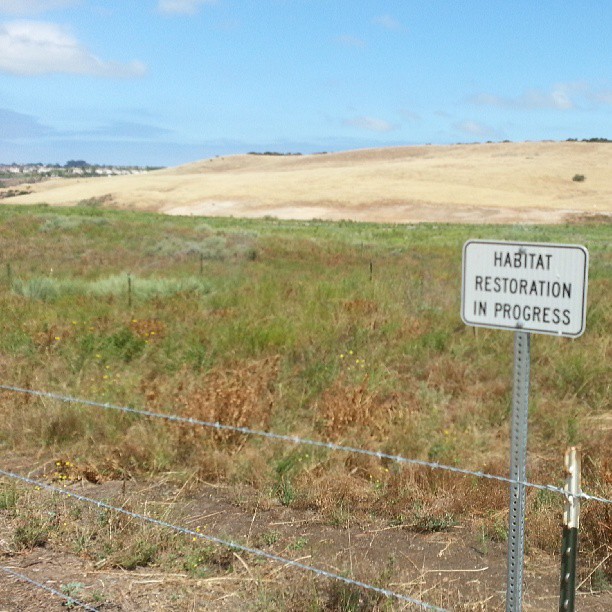
		<div class="textbox textbox--key-takeaways"><div class="textbox__content"><p>In the Third Part, we will look at some efforts to conserve biodiversity:</p> <ul><li>Chapter 1: Habitat Restoration</li> <li>Chapter 2: Protected Areas</li> <li>Chapter 3: Conservation in Fragmented Landscape</li> </ul> </div> </div> <p style="text-align: justify">Conservation biology has three (3) goals: (a) to document Earth’s biological diversity, (b) to investigate how humans influence species, evolution, and ecosystem processes; and (c) to investigate approaches to protect and restore biological communities, maintain genetic diversity, and prevent the extinction of species. In this section, we will discuss on the third goal which is to protect and restore biodiversity. We will look into three efforts in conserving biodiversity which are habitat restoration, protected areas and conservation in fragmented landscape.</p> <p>&nbsp;</p> <pre><img class="wp-image-50 size-full aligncenter" src="https://openbook.ums.edu.my/aninteractiveintroductiontoconservationbiology/wp-content/uploads/sites/119/2023/12/8950906824_9efee53bb8_o.jpg" alt="" width="612" height="612" srcset="https://openbook.ums.edu.my/aninteractiveintroductiontoconservationbiology/wp-content/uploads/sites/119/2023/12/8950906824_9efee53bb8_o.jpg 612w, https://openbook.ums.edu.my/aninteractiveintroductiontoconservationbiology/wp-content/uploads/sites/119/2023/12/8950906824_9efee53bb8_o-300x300.jpg 300w, https://openbook.ums.edu.my/aninteractiveintroductiontoconservationbiology/wp-content/uploads/sites/119/2023/12/8950906824_9efee53bb8_o-150x150.jpg 150w, https://openbook.ums.edu.my/aninteractiveintroductiontoconservationbiology/wp-content/uploads/sites/119/2023/12/8950906824_9efee53bb8_o-65x65.jpg 65w, https://openbook.ums.edu.my/aninteractiveintroductiontoconservationbiology/wp-content/uploads/sites/119/2023/12/8950906824_9efee53bb8_o-225x225.jpg 225w, https://openbook.ums.edu.my/aninteractiveintroductiontoconservationbiology/wp-content/uploads/sites/119/2023/12/8950906824_9efee53bb8_o-350x350.jpg 350w" sizes="(max-width: 612px) 100vw, 612px" title="" />

<em>Adopted from: <a href="https://www.flickr.com/photos/philohme/8950906824/" target="_blank" rel="noopener" data-url="https://www.flickr.com/photos/philohme/8950906824/">"Habitat restoration"</a>&nbsp;by&nbsp;<a href="https://www.flickr.com/photos/philohme/" target="_blank" rel="noopener" data-url="https://www.flickr.com/photos/philohme/">Phil Ohme</a>&nbsp;is licensed under&nbsp;<a href="http://creativecommons.org/licenses/by/4.0" target="_blank" rel="noopener" data-url="http://creativecommons.org/licenses/by/4.0">CC BY 4.0</a></em></pre>
	</div>
			
				
	</div>
<div class="chapter standard " id="chapter-restoration-of-damaged-ecosystems-and-endangered-populations" title="Habitat restoration">
	<div class="chapter-title-wrap">
		<p class="chapter-number">8</p>
		<h1 class="chapter-title">Habitat restoration</h1>
					<p class="chapter-author">SITI FATIMAH MD. ISA</p>
			</div>
	<div class="ugc chapter-ugc">
				 <div class="textbox textbox--learning-objectives"><div class="textbox__header"><p class="textbox__title">Learning Objectives</p> </div> <div class="textbox__content"><p>In this chapter student will be able to:</p> <ul><li>Define habitat restoration</li> <li>Identify reasons to restore habitat</li> </ul> </div> </div> <p style="text-align: justify">Habitat <span class="glossary-term">restoration</span> is the purposeful&nbsp; <span class="glossary-term">rehabilitation</span> of an area to recreate a functioning ecosystem. It can be accomplished through management, protection, and reestablishment of plants by returning abiotic factors (e.g., soil chemistry, water content, disturbance) and biotic factors (e.g., species composition, interactions among species) to historical levels. Assisting recovery of habitat can be as simple as removing an invasive species and reintroducing a lost species or a lost function or can be as complex as altering landforms, planting vegetation, changing the hydrology and reintroducing wildlife.</p> <p>Watch a unique restoration project below on how fires is used to restore habitat.</p> <div class="textbox interactive-content interactive-content--oembed"><span class="interactive-content__icon"></span> <p>One or more interactive elements has been excluded from this version of the text. You can view them online here: <a href="#oembed-2" title="Fire for Ecosystem Restoration" data-url="https://openbook.ums.edu.my/aninteractiveintroductiontoconservationbiology/?p=53#oembed-2">https://openbook.ums.edu.my/aninteractiveintroductiontoconservationbiology/?p=53#oembed-2</a> </p> </div> <pre><em>Adopted from: <a href="https://www.youtube.com/watch?v=BRyr9CIG2Cg" target="_blank" rel="noopener" data-url="https://www.youtube.com/watch?v=BRyr9CIG2Cg">"Fire for Ecosystem Restoration"</a>&nbsp;by&nbsp;<a href="" data-url="">Royal Botanic Garden</a>&nbsp;is licensed under&nbsp;<a href="http://creativecommons.org/licenses/by/4.0" target="_blank" rel="noopener" data-url="http://creativecommons.org/licenses/by/4.0">CC BY 4.0</a></em></pre> <p>&nbsp;</p> <p style="text-align: justify">Restoration is carried out for one of the following reasons:</p> <ul style="text-align: justify"><li>To restore highly degraded localized sites such as mine sites</li> <li>To improve productive capability in degraded production land</li> <li>To enhance conservation values in protected landscapes</li> <li>To enhance conservation values in productive landscapes</li> </ul> <p style="text-align: justify">Four (4) basic steps used in habitat restoration and rehabilitation:</p> <ol><li style="text-align: justify">Identification of the cause for degradation</li> <li style="text-align: justify">Elimination of toxic soil pollutants, addition of nutrients to depleted soil, addition of new top soil and elimination of disruptive species</li> <li style="text-align: justify">Protection of the area from further degradation and from the disruptive effects of fires</li> <li style="text-align: justify">Monitoring restoration efforts, assessing success and modifying strategies.</li> </ol> <p>&nbsp;</p> <div class="textbox textbox--key-takeaways"><div class="textbox__header"><p class="textbox__title">Case Study</p> </div> <div class="textbox__content"><p>Here is an example of habitat restoration that had been carried out in Singapore.</p> <div class="textbox interactive-content"><span class="interactive-content__icon"></span> <p>An interactive H5P element has been excluded from this version of the text. You can view it online here:<br /> <a href="https://openbook.ums.edu.my/aninteractiveintroductiontoconservationbiology/?p=53#h5p-17" title="Habitat restoration case study" data-url="https://openbook.ums.edu.my/aninteractiveintroductiontoconservationbiology/?p=53#h5p-17">https://openbook.ums.edu.my/aninteractiveintroductiontoconservationbiology/?p=53#h5p-17</a> </p> </div> </div> </div> <p>&nbsp;</p> <p>&nbsp;</p> <p>&nbsp;</p> <p>&nbsp;</p> 
	</div>


	</div>
<div class="chapter standard " id="chapter-protected-areas" title="Protected areas">
	<div class="chapter-title-wrap">
		<p class="chapter-number">9</p>
		<h1 class="chapter-title">Protected areas</h1>
					<p class="chapter-author">SITI FATIMAH MD. ISA</p>
			</div>
	<div class="ugc chapter-ugc">
				 <div class="textbox textbox--learning-objectives"><div class="textbox__header"><p class="textbox__title">Learning Objectives</p> </div> <div class="textbox__content"><p>In this chapter student will be able to:</p> <ul><li>Identify what is protected areas</li> <li>Recognize categories of forest reserve</li> </ul> </div> </div> <p style="text-align: justify;">Protected areas (PA) or conservation areas are locations which receive protection through legal or other effective means because of their recognized natural, ecological or cultural values to achieve the long term conservation of nature with associated ecosystem services. Protected areas are those areas in which human presence or the exploitation of natural resources is limited.</p> <p style="text-align: justify;">There are seven (7) protected areas that is categorized as: (a) Natural Park; (b) Natural Monument; (c) National Park; (d) Wildlife Sanctuary; (e) Protected Landscape/Seascape; (f) Resource Researve; (g) Natural Biotic Area;</p> <p style="text-align: justify;">In Sabah, Total Protected Areas (TPA) comprise forest reserves gazetted under the Forest Enacment 1968 primarily for conservation, such as Class I, Class VI and Class VII, and also forested areas under enactment of Sabah Parks and Sabah Wildlife Department.</p> <p style="text-align: justify;">Click below to learn the seven (7) category of Forest Reserve in Malaysia:</p> <p>&nbsp;</p> <div class="textbox interactive-content"><span class="interactive-content__icon"></span> <p>An interactive H5P element has been excluded from this version of the text. You can view it online here:<br /> <a href="https://openbook.ums.edu.my/aninteractiveintroductiontoconservationbiology/?p=55#h5p-18" title="Forest Reserve" data-url="https://openbook.ums.edu.my/aninteractiveintroductiontoconservationbiology/?p=55#h5p-18">https://openbook.ums.edu.my/aninteractiveintroductiontoconservationbiology/?p=55#h5p-18</a> </p> </div> <p>&nbsp;</p> <div class="textbox textbox--key-takeaways"><div class="textbox__header"><p class="textbox__title">Case Study</p> </div> <div class="textbox__content"><p>Here is an example work on protected areas in Pahang, Malaysia:</p> <div class="textbox interactive-content"><span class="interactive-content__icon"></span> <p>An interactive H5P element has been excluded from this version of the text. You can view it online here:<br /> <a href="https://openbook.ums.edu.my/aninteractiveintroductiontoconservationbiology/?p=55#h5p-22" title="Protected areas" data-url="https://openbook.ums.edu.my/aninteractiveintroductiontoconservationbiology/?p=55#h5p-22">https://openbook.ums.edu.my/aninteractiveintroductiontoconservationbiology/?p=55#h5p-22</a> </p> </div> </div> </div> <p>&nbsp;</p> 
	</div>


	</div>
<div class="chapter standard " id="chapter-slug-2-3conservation-in-fragmented-landscapes" title="Conservation in fragmented landscapes">
	<div class="chapter-title-wrap">
		<p class="chapter-number">10</p>
		<h1 class="chapter-title">Conservation in fragmented landscapes</h1>
					<p class="chapter-author">SITI FATIMAH MD. ISA</p>
			</div>
	<div class="ugc chapter-ugc">
				 <div class="textbox textbox--learning-objectives"><div class="textbox__header"><p class="textbox__title" style="text-align: justify">Learning Objectives</p> </div> <div class="textbox__content" style="text-align: justify"><p>In this chapter student will be able:</p> <ul><li>To identify and understand the impact of habitat fragmentation</li> <li>To learn initiatives that has been made in Sabah to conserve habitat in fragmentation area</li> </ul> </div> </div> <p style="text-align: justify"><span class="glossary-term">Habitat fragmentation</span> occurs when large blocks of habitat are cut into smaller pieces by development such as roads or housing. The remaining blocks of habitat may be too small to sustain populations of a number of species and the fragmentation often results in barriers to species movement.</p> <p style="text-align: justify">Habitat fragmentation can give negative impacts to our ecosystem, please see an interactive video below to understand better:</p> <p style="text-align: justify"></p> <div class="textbox interactive-content"><span class="interactive-content__icon"></span> <p>An interactive H5P element has been excluded from this version of the text. You can view it online here:<br /> <a href="https://openbook.ums.edu.my/aninteractiveintroductiontoconservationbiology/?p=57#h5p-19" title="Fragmentation" data-url="https://openbook.ums.edu.my/aninteractiveintroductiontoconservationbiology/?p=57#h5p-19">https://openbook.ums.edu.my/aninteractiveintroductiontoconservationbiology/?p=57#h5p-19</a> </p> </div> <p style="text-align: justify">Various efforts has been made to conserve our biodiversity and build <span class="glossary-term">habitat corridors</span> to connect wildlife separated by human activity or development. One of such efforts is the study of the ideal design for functional wildlife corridors within oil palm plantations at the Kalabakan River network. The full report can be read at <a href="https://news.mongabay.com/2016/04/designing-ideal-wildlife-corridor-malaysias-orangutans/" data-url="https://news.mongabay.com/2016/04/designing-ideal-wildlife-corridor-malaysias-orangutans/">MONGABAY</a>. The Stability of Altered Ecosystems (SAFE) initiative shown a promising efforts to connect local populations of wildlife, including orangutans that have become isolated by their fragmented habitat.</p> <p style="text-align: justify">Another ongoing project, initiated in 2019 located along the Kinabatangan River, called “Rasig Corridor” linked Lot 2 of the Lower Kinabatangan Wildlife Sanctuary (LKWS) with the “Keruak Virgin Jungle Forest Reserve”. Beside to create corridors for wildlife to connect from different patches of isolated forests, the corridor area were also planted with seedlings of native trees species. This project aims is not only to connect the wildlife but also flora as restoration efforts in the fragmented and deforestation area.</p> <p>Lets see video below to learn more on The Sabah Landscapes Program:</p> <pre></pre> <div class="textbox interactive-content interactive-content--oembed"><span class="interactive-content__icon"></span> <p>One or more interactive elements has been excluded from this version of the text. You can view them online here: <a href="#oembed-2" title="The Sabah Landscapes Programme: An Overview" data-url="https://openbook.ums.edu.my/aninteractiveintroductiontoconservationbiology/?p=57#oembed-2">https://openbook.ums.edu.my/aninteractiveintroductiontoconservationbiology/?p=57#oembed-2</a> </p> </div> <p><em>Adopted from: <a href="https://www.youtube.com/watch?v=tPTkJjxRnvw" target="_blank" rel="noopener" data-url="https://www.youtube.com/watch?v=tPTkJjxRnvw">“The Sabah Landscapes Programme: An Overview”</a>&nbsp;by&nbsp;<a href="" data-url="">WWFMy</a>&nbsp;is licensed under&nbsp;<a href="http://creativecommons.org/licenses/by/4.0" target="_blank" rel="noopener" data-url="http://creativecommons.org/licenses/by/4.0">CC BY 4.0</a></em></p> <p>&nbsp;</p> <p>&nbsp;</p> <div class="textbox textbox--key-takeaways"><div class="textbox__header"><p class="textbox__title">Case Study</p> </div> <div class="textbox__content"><p>Here is an example work on conservation in fragmented landscape in Selangor:</p> <div class="textbox interactive-content"><span class="interactive-content__icon"></span> <p>An interactive H5P element has been excluded from this version of the text. You can view it online here:<br /> <a href="https://openbook.ums.edu.my/aninteractiveintroductiontoconservationbiology/?p=57#h5p-20" title="Conservation in fragmented landscape case study" data-url="https://openbook.ums.edu.my/aninteractiveintroductiontoconservationbiology/?p=57#h5p-20">https://openbook.ums.edu.my/aninteractiveintroductiontoconservationbiology/?p=57#h5p-20</a> </p> </div> </div> </div> <p>&nbsp;</p> 
	</div>


	</div>

</div>
<div class="back-matter conclusion " id="back-matter-conclusioin" title="Afterword">
	<div class="back-matter-title-wrap">
		<p class="back-matter-number">1</p>
		<h1 class="back-matter-title">Afterword</h1>
					<p class="chapter-author">SITI FATIMAH MD. ISA</p>
			</div>
	<div class="ugc back-matter-ugc">
				 <h1 style="text-align: center"><em>Congratulations, you made it to the end of the text!</em></h1> <p>I look forward to hearing how to make this book even more useful in the future! Please email to the author (<a href="mailto:sitifatimahmdisa@ums.edu.my" data-url="mailto:sitifatimahmdisa@ums.edu.my">sitifatimahmdisa@ums.edu.my</a>) for any comments and suggestions.</p> 
	</div>


	</div>
<div class="back-matter resources " id="back-matter-bibliography" title="References">
	<div class="back-matter-title-wrap">
		<p class="back-matter-number">2</p>
		<h1 class="back-matter-title">References</h1>
					<p class="chapter-author">SITI FATIMAH MD. ISA</p>
			</div>
	<div class="ugc back-matter-ugc">
				 <p class="hanging-indent">Ahmad Naqiyuddin Bakar. 2018. Policy and related issues pertaining community participation in the management of Protected Area (PA): A case of Pahang National Park, Malaysia. http://dx.doi.org/10.5772/intechopen.73048</p> <p class="hanging-indent">Becca Cudmore. 2016. Designing the ideal wildlife corridor for Malaysia’s orangutans. Mongabay. news.mongabay.com. Accessed on 12 December 2023.</p> <p class="hanging-indent">Biodiversity Hotspots. https://www.conservation.org/priorities/biodiversity-hotspots. Accessed on 12 February 2024.</p> <p class="hanging-indent">John W. Wilson and Richard B. Primack. 2019. Conservation Biology in Sub-Saharan Africa. Cambridge, UK: Open Book Publishers. https://doi.org/10.11647/OBP.0177</p> <p class="hanging-indent">Joni Baumgarten. 2023. Environmental Biology. Open Oregon Educational Resources.</p> <p class="hanging-indent">Lee, W. H., S. A. Abdullah and N. H. Rafaai. 2019. Land use change and fragmentation in the protected areas of peninsular Malaysia: The cases of Klang Gate and Sungai Dusun wildlife reserves. doi:10.1088/1755-1315/380/1/012007</p> <p class="hanging-indent">Protected Area. https://www.wildlife.gov.my/index.php/en/2016-04-11-03-50-17/2016-04-25-02-12-43/kawasan-perlindungan. Accessed on 1 January 2024.</p> <p class="hanging-indent" style="text-align: justify">Sodhi and Ehrkich. 2010. Conservation Biology for All. Oxford University Press. http://ukcatalogue.oup.com/9780199554249.do</p> <p class="hanging-indent">Yang Shufen, Ang Hui Ping and Lena Chan. Chapter 13. Coastal protection synergy with mangrove restoration in Pulau Tekong in Handbook on Habitat Restoration. https://www.nparks.gov.sg/biodiversity/urban-biodiversity/handbook-on-habitat-restoration. Accessed on 2 February 2024.</p> <p>&nbsp;</p> <p>&nbsp;</p> <p class="hanging-indent"><!-- pb_fixme --></p> 
	</div>


	</div>
<div class="back-matter glossary " id="back-matter-glossory" title="Glossary">
	<div class="back-matter-title-wrap">
		<p class="back-matter-number">3</p>
		<h1 class="back-matter-title">Glossary</h1>
					<p class="chapter-author">SITI FATIMAH MD. ISA</p>
			</div>
	<div class="ugc back-matter-ugc">
				 <dl data-type="glossary"><dt data-type="glossterm"><dfn id="dfn-biodiversity">Biodiversity</dfn></dt> <dd data-type="glossdef"><p>The variety of living species on Earth (plants, animals, bacteria and fungi).</p> </dd> <dt data-type="glossterm"><dfn id="dfn-biodiversity-hotspots">Biodiversity hotspots</dfn></dt> <dd data-type="glossdef"><p>Regions that contain high level of species diversity, many endemic species and a significant number of threatened or endangered species</p> </dd> <dt data-type="glossterm"><dfn id="dfn-biomagnification">Biomagnification</dfn></dt> <dd data-type="glossdef"><p>Bioaccumulation</p> </dd> <dt data-type="glossterm"><dfn id="dfn-cascade-effects">Cascade effects</dfn></dt> <dd data-type="glossdef"><p>An inevitable and sometimes unforeseen chain of events due to an act affecting a system.</p> </dd> <dt data-type="glossterm"><dfn id="dfn-climate-change">Climate change</dfn></dt> <dd data-type="glossdef"><p>Long-term shifts in temperatures and weather patterns</p> </dd> <dt data-type="glossterm"><dfn id="dfn-ecosystem">Ecosystem</dfn></dt> <dd data-type="glossdef"><p>A biological community of interacting organisms and their physical environment.</p> </dd> <dt data-type="glossterm"><dfn id="dfn-genetic">Genetic</dfn></dt> <dd data-type="glossdef"><p>Relating to genes or heredity.</p> </dd> <dt data-type="glossterm"><dfn id="dfn-habitat-corridors">Habitat corridors</dfn></dt> <dd data-type="glossdef"><p>An area of habitat connecting wildlife populations separated by human activities or structures (such as roads, development, or logging)</p> </dd> <dt data-type="glossterm"><dfn id="dfn-habitat-destruction">Habitat destruction</dfn></dt> <dd data-type="glossdef"><p>Occurs when a natural habitat is no longer able to support its native species</p> </dd> <dt data-type="glossterm"><dfn id="dfn-habitat-fragmentation">Habitat fragmentation</dfn></dt> <dd data-type="glossdef"><p>Divides once large and widespread wildlife populations into several smaller subpopulations.</p> </dd> <dt data-type="glossterm"><dfn id="dfn-habitat-loss">Habitat loss</dfn></dt> <dd data-type="glossdef"><p>The outright destruction of natural ecosystems</p> </dd> <dt data-type="glossterm"><dfn id="dfn-overexploitation">Overexploitation</dfn></dt> <dd data-type="glossdef"><p>The excessive use of natural resources at rates far greater than they are able to replenish themselves.</p> </dd> <dt data-type="glossterm"><dfn id="dfn-overharvesting">Overharvesting</dfn></dt> <dd data-type="glossdef"><p>Harvesting a renewable resource to the point of diminishing returns.</p> </dd> <dt data-type="glossterm"><dfn id="dfn-pollutants">Pollutants</dfn></dt> <dd data-type="glossdef"><p>Harmful materials that cause pollution</p> </dd> <dt data-type="glossterm"><dfn id="dfn-pollution">Pollution</dfn></dt> <dd data-type="glossdef"><p>The introduction of harmful materials in to the environment.</p> </dd> <dt data-type="glossterm"><dfn id="dfn-rehabilitation">Rehabilitation</dfn></dt> <dd data-type="glossdef"><p>The partial or full replacement of the ecosystem's structural and functional characteristics.</p> </dd> <dt data-type="glossterm"><dfn id="dfn-restoration">Restoration</dfn></dt> <dd data-type="glossdef"><p>The process of assisting the recovery of an ecosystem that has been degraded, damaged or destroyed back to its original condition</p> </dd> <dt data-type="glossterm"><dfn id="dfn-species">Species</dfn></dt> <dd data-type="glossdef"><p>A group of living organisms consisting of similar individuals</p> </dd> </dl> 
	</div>


	</div>

</body>
</html>